Latest News

The Importance of Coating Materials in Pharmaceuticals: Enhancing Drug Stability & Efficacy

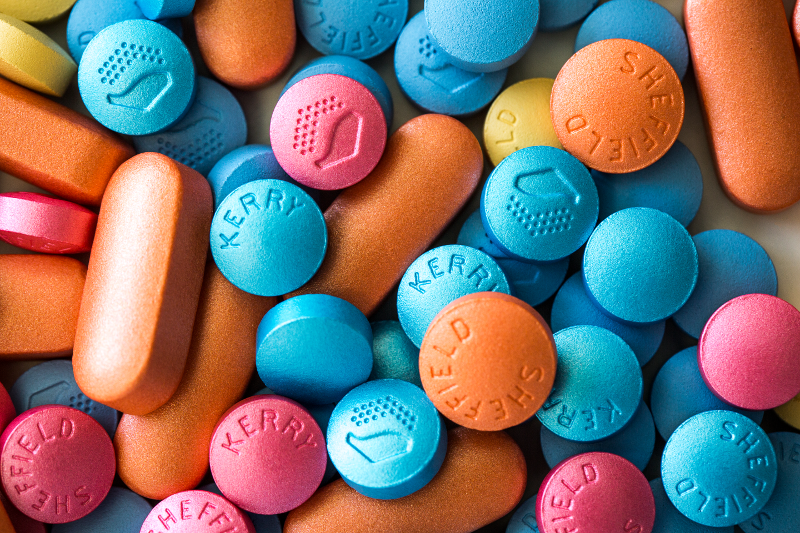
Colorful-Pills_JC_160518-492A3309

Pharmaceutical coating materials play a crucial role in drug formulation by enhancing drug stability, improving efficacy, and ensuring patient compliance. These coatings provide a protective barrier, control drug release, and enhance the appearance and taste of tablets and capsules. In this blog, we will explore the importance of pharmaceutical coating materials, their types, and their role in improving drug performance.

What Are Pharmaceutical Coating Materials?

Pharmaceutical coating materials are specialized substances applied to the surface of tablets, capsules, and other drug formulations. These coatings help improve drug stability, prevent degradation, control release rates, and enhance patient acceptability by improving taste and appearance.

Key Benefits of Coating Materials in Pharmaceuticals

a) Enhancing Drug Stability

b) Improving Drug Efficacy

c) Ensuring Patient Compliance

d) Modifying Drug Release Profiles

e) Enhancing Aesthetic and Brand Identity

Types of Pharmaceutical Coatings

1) Film Coating

A thin polymer layer applied to the tablet’s surface, film coating enhances stability while ensuring the integrity of the drug formulation. This coating type protects the active ingredients from environmental factors such as moisture and light, thereby extending the shelf life of the medication. Additionally, film coatings improve the appearance of tablets and provide a smoother texture for easier swallowing, making them a preferred choice in modern pharmaceutical formulations.

2) Moisture Barrier Coating

This coating type is specifically designed to prevent the absorption of water, which is crucial for hygroscopic drugs that are sensitive to humidity. By forming a protective layer, moisture barrier coatings prevent the degradation of the active pharmaceutical ingredients (APIs), ensuring the drug maintains its potency over time. These coatings are widely used to enhance the shelf life and stability of medications, particularly in regions with high humidity levels.

3) Delayed Release Coating

Delayed release coatings are engineered to release the drug at a specific site within the gastrointestinal (GI) tract. These coatings are commonly used in enteric-coated formulations to prevent the drug from dissolving in the stomach, thereby minimizing potential irritation and ensuring targeted absorption in the intestines. By controlling the site of drug release, delayed release coatings improve therapeutic effectiveness and patient comfort.

4) Seal Coating

Seal coatings create a protective barrier between the tablet core and the outer layers of the coating. This is essential for preventing unwanted interactions between different coating layers, thereby enhancing the stability and uniformity of the drug. Seal coatings also help to ensure the integrity of multi-layered tablet formulations, reducing the risk of degradation or loss of efficacy due to environmental exposure.

5) Sugar Coating

Sugar coating is traditionally used in pharmaceutical formulations to enhance the taste and appearance of tablets. This coating method involves multiple layers of sugar-based substances that mask unpleasant flavors and odors, making medications more palatable, especially for pediatric and over-the-counter (OTC) medicines. Additionally, sugar coatings provide a protective layer that shields the drug from environmental factors and improves patient compliance by offering an appealing look and taste.

Conclusion

Pharmaceutical coating materials are essential for ensuring drug stability, efficacy, and patient adherence. They play a critical role in enhancing drug release, improving bioavailability, and protecting medications from environmental factors. As the industry continues to innovate, advancements in coating materials will further improve drug formulations, making them safer and more effective for patients worldwide.

Partner with Brisha Lifescience for high-quality pharmaceutical coating solutions that enhance drug performance and stability.

Make a Comment

Your email address will not be published. Required field are marked*